A Homeowner's Guide to Protecting Your Roof from Lake Effect Snow
Living along the Wasatch Front means we get to enjoy some of the most beautiful winters and the best snow on Earth. But the same weather that makes for a great ski season can be tough on our homes. The infamous lake effect snow, while beautiful, brings heavy, wet accumulation that can pose a significant threat to your roof's integrity. For homeowners in the Salt Lake City area, understanding this unique challenge is the first step toward protecting your most valuable asset.
Ignoring the impact of heavy snow can lead to costly repairs, water damage, and major headaches down the road. The good news is that with a little proactive care and professional guidance, you can ensure your roof is ready to handle whatever winter throws at it. This guide will walk you through the risks associated with heavy snowfall, the preventative steps you can take, and what to do when you need help.
The Unique Dangers of Heavy Snow Load and Ice Dams
Not all snow is created equal. Lake effect snow is often denser and heavier than the light powder skiers dream of. When several feet of this snow pile up, it places an immense amount of stress—we're talking thousands of pounds—on your roof's structure. This sheer weight, or 'snow load,' can strain rafters and trusses, potentially leading to structural damage over time.
However, the more immediate and common threat is the formation of ice dams. This happens when heat escaping from your attic melts the bottom layer of snow on the roof. The meltwater runs down to the colder eaves and refreezes, creating a thick ridge of ice. As this dam grows, it traps more water behind it, which can then seep underneath your shingles. Once inside, this water can:
- Soak and ruin your attic insulation, reducing its effectiveness.
- Leak into your home, causing water stains on ceilings and walls.
- Promote the growth of mold and mildew within your home's structure.
- Damage gutters and shingles as the ice expands and contracts.
For homes on the benches, where wind and snow patterns can be even more severe, these issues are especially critical. Understanding these risks is key to preventing them.
Proactive Steps to Winterize Your Roof
Prevention is always more effective and less expensive than a cure. Taking a few key steps before the first major snowfall can save you from significant problems later. Think of it as an essential part of your home's seasonal maintenance.
-
Schedule a Professional Roof Inspection: The single most important step is to have a qualified professional conduct a thorough roof inspection. An expert can spot subtle signs of weakness you might miss, such as loose or cracked shingles, deteriorating flashing around chimneys and vents, and failing sealant. Addressing these small issues now prevents them from becoming major leaks under the pressure of melting snow.
-
Clear Your Gutters and Downspouts: Gutters clogged with leaves and debris are a primary contributor to ice dams. If water can't drain properly, it will freeze and build up at the roof's edge. Ensure your gutters are completely clear after the leaves have fallen.
-
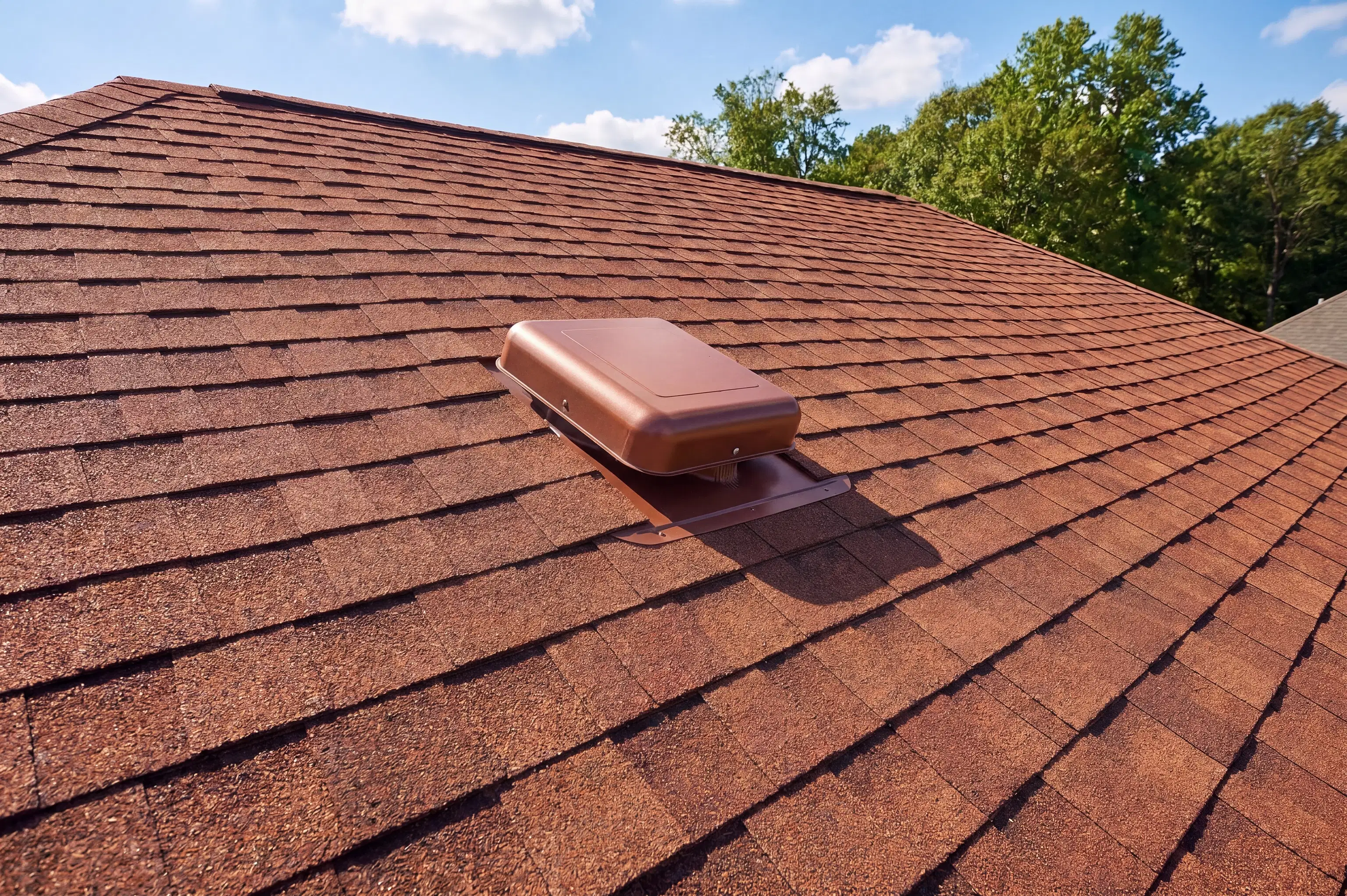
Assess Attic Insulation and Ventilation: The main cause of ice dams is an overly warm attic. Proper insulation on the attic floor prevents heat from rising and melting the snow on your roof. Equally important is good ventilation, which keeps the attic cool and allows moisture to escape. An expert can help you determine if your attic's R-value and ventilation are adequate for our high desert climate.
-
Trim Overhanging Trees: Heavy, snow-laden branches can snap and fall, causing significant damage to your roof. Before winter, trim back any branches that are hanging directly over your house to minimize this risk.
During and After the Storm: When to Take Action
Even with preparation, a particularly harsh winter can test your roof's limits. It's important to know what to look for during and after a big storm.
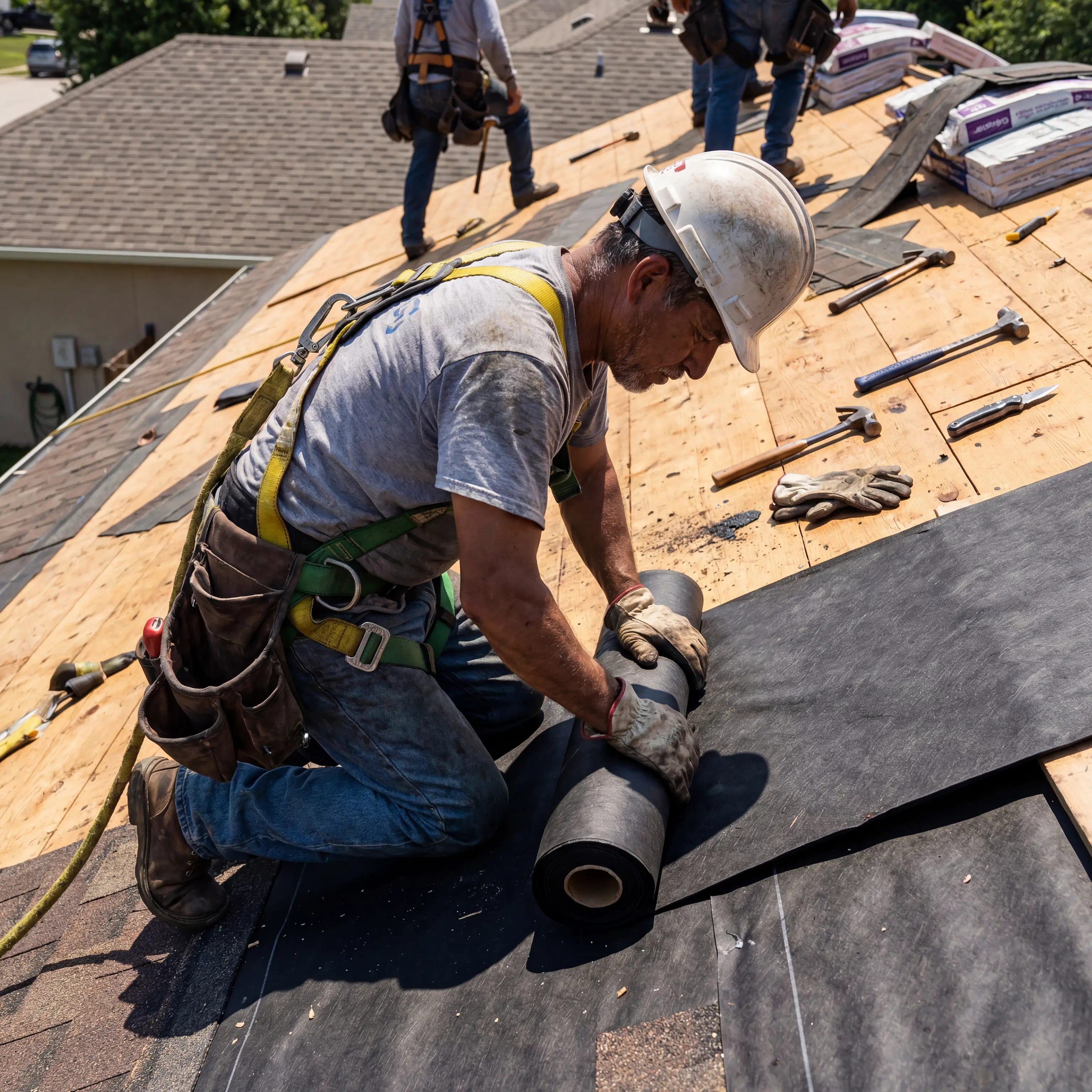
If you notice more than a foot of heavy snow accumulating, you might consider having it removed. However, DIY roof snow removal is extremely dangerous and can easily damage your shingles. We strongly recommend using a professional residential snow removal service. Our teams have the right equipment and safety protocols to clear your roof safely and effectively.
Be vigilant for warning signs inside your home, such as:
- Icicles forming along the gutters (a tell-tale sign of an ice dam).
- Water stains appearing on your ceilings or interior walls.
- Any unusual creaking or popping sounds coming from the attic, which could indicate structural stress.
If you see any of these signs, it's time to call a professional immediately to assess the situation. Once the snow has melted, it's also a good idea to do a quick visual check from the ground for any new or worsened signs of damage.
Don't Let Winter Win: Secure Your Roof Today
The challenges of a Utah winter are no match for a well-maintained roof. By understanding the risks of lake effect snow, taking proactive steps, and knowing when to call for help, you can ensure your home stays safe, dry, and secure all season long. Protecting your roof is about protecting your family and your investment.
If you have concerns about your roof's condition or need help dealing with heavy snow and ice, the team at Red Peaks Roofing Inc is here to help. We specialize in solutions for the unique climate of Salt Lake City and the surrounding communities. From preventative inspections and safe snow removal to expert repairs and full replacements, we provide the peace of mind you deserve. Contact us today to schedule a consultation and make sure your roof is ready for winter.