Catching Hidden Storm Damage Before Winter
As the vibrant autumn leaves begin to fall along the Wasatch Front, homeowners know that snow and freezing temperatures are just around the corner. While you might be busy blowing out your sprinklers and tuning up your snowblower, there is one critical area of your home that often gets overlooked: the roof. Summer and early fall storms can leave behind subtle damage that, if left unaddressed, turns into a major headache once the snow starts piling up.
At Red Peaks Roofing Inc, we have seen firsthand how minor wind or hail impacts can escalate into severe leaks and structural issues during the cold months. Catching this hidden storm damage before winter sets in is one of the smartest ways to protect your home and avoid the stress of emergency roofing situations when the weather is at its worst.
Identifying the Invisible Scars of Summer Storms
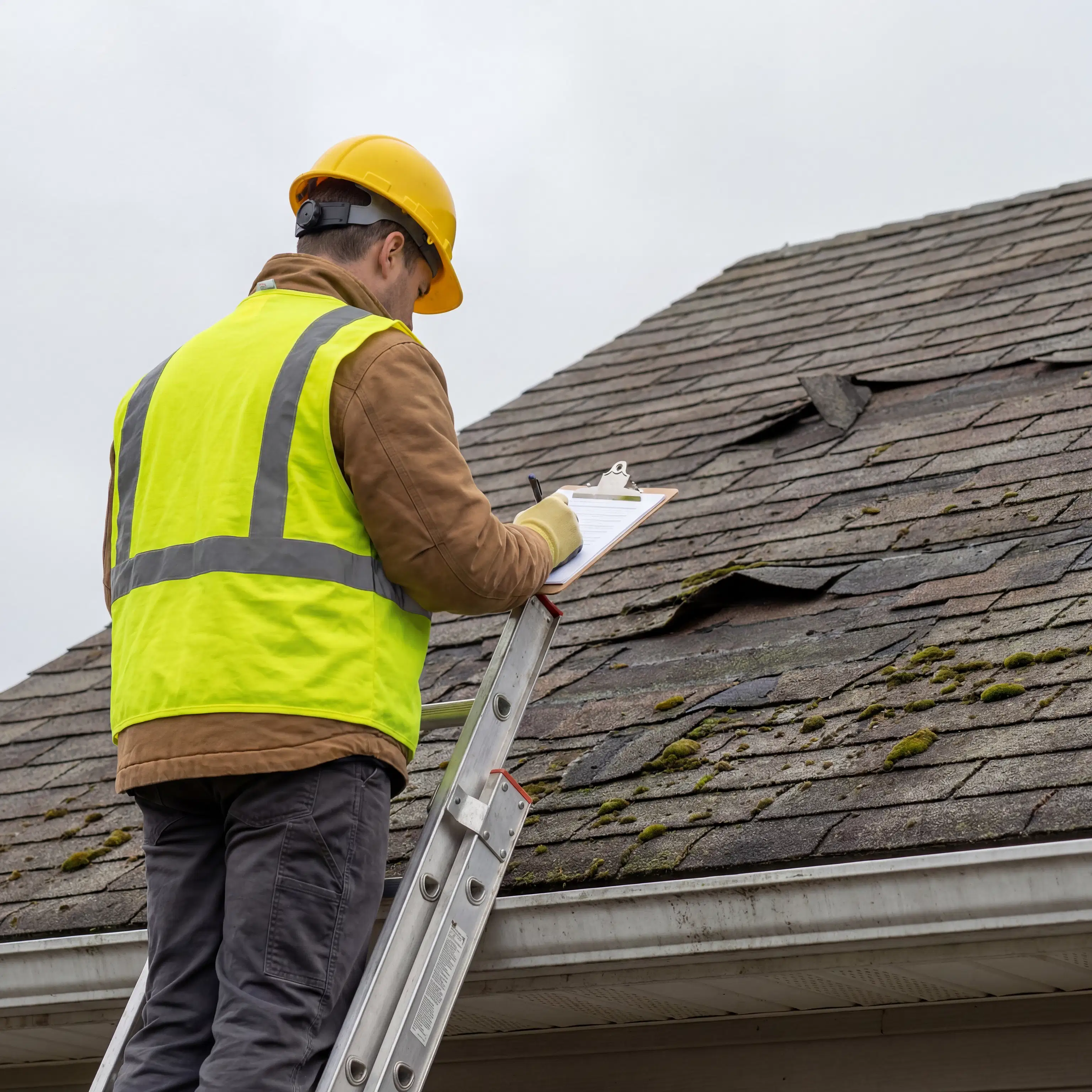
One of the most common questions we hear from homeowners is how to identify hail or wind damage on their roof. Unlike a fallen tree branch or a massive missing patch of shingles, storm damage is often virtually invisible from the ground. High winds can lift shingles just enough to break the manufacturer's seal, laying them back down flat so they look perfectly normal. However, that broken seal is an open invitation for moisture.
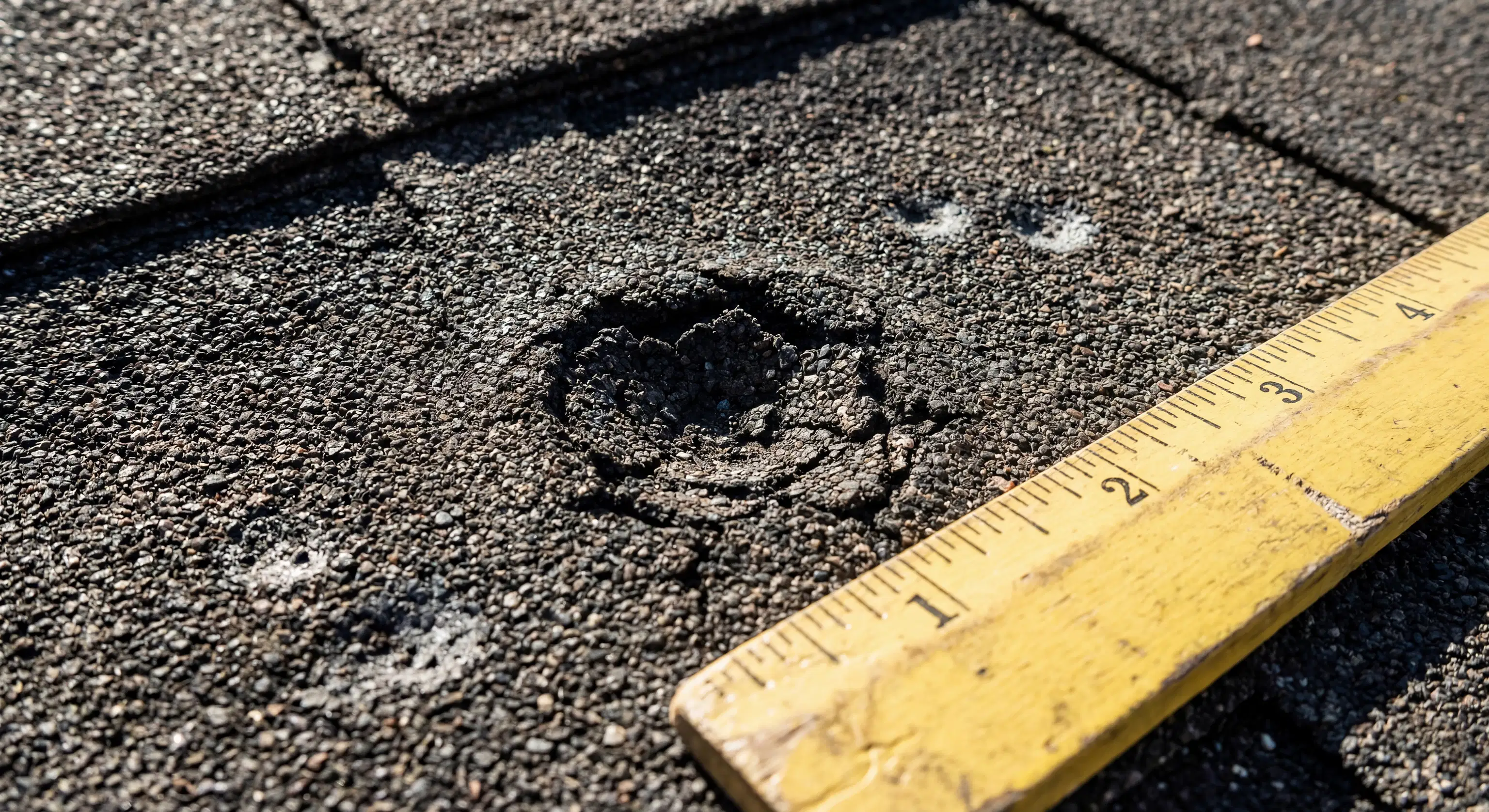
Similarly, hail impacts can dislodge the protective granules on your asphalt shingles. Over time, UV exposure and rain will deteriorate the exposed fiberglass matting, leading to a roof leak when you least expect it. If you have experienced strong storms recently, look for excess granules washing out of your downspouts, or check for small dimples on your gutters and flashing. These are strong indicators that your roof took a beating.
Because distinguishing between normal wear and tear and actual storm damage is difficult, relying on professional roofing services is crucial. A trained eye knows exactly where to look for compromised flashing, lifted seals, and impact bruises that threaten your home's watertight barrier.
The Danger of the Freeze-Thaw Cycle
If you live near the Point of the Mountain or anywhere with fluctuating winter temperatures, you are likely familiar with the freeze-thaw cycle. During the day, sunlight melts the snow on your roof. As the water runs down toward the eaves, temperatures drop at night, causing that water to freeze and expand.
When your roof already has hidden damage—like a lifted shingle or a cracked flashing seal—this freezing water forces its way into those tiny vulnerabilities, expanding them further. This cycle repeats daily, tearing apart the roofing materials and eventually allowing water into your attic and walls. By scheduling preventative maintenance and checking for issues before the deep freeze arrives, you can stop this destructive cycle in its tracks.
Modern technology has made this process much easier and more transparent for homeowners. Reputable roofing companies now utilize drone technology and high-resolution imaging to safely and accurately assess your roof's condition, providing you with detailed photos of any problem areas without causing unnecessary foot traffic on your shingles.

Navigating Repairs and Insurance Claims
Finding out your roof needs work can be stressful, especially with the holidays approaching. Many homeowners wonder if their homeowners insurance will cover the cost of a roof replacement or roofing repair after a storm. In most cases, if the damage was caused by a sudden, accidental weather event like hail or severe wind, your policy should cover the mitigation and repairs.
However, there is a catch: insurance companies often have strict time limits on how long you have to file a claim after a storm. If you wait until spring to report damage that happened in August, your claim could be denied due to negligence or the passage of time. Furthermore, the industry is unfortunately plagued by unreliable "storm chasers" who show up after severe weather, overpromise on insurance payouts, and deliver subpar work.
It is vital to work with a licensed, insured, and locally trusted contractor who understands the nuances of the insurance claims process. A local expert will advocate for you, providing accurate estimates and thorough documentation to ensure your claim is handled fairly and promptly.
Secure Your Home for the Winter
Don't wait for a ceiling stain to tell you your roof was damaged months ago. Taking proactive steps now ensures your home remains safe, warm, and dry through the harshest winter weather.
If you suspect your home weathered some tough storms this year, the team at Red Peaks Roofing Inc is here to help our neighbors throughout Utah Valley. We provide thorough, honest Residential Roof Inspections using the latest diagnostic technology to give you complete peace of mind. If we do find issues, our experts specialize in comprehensive Storm Damage Mitigation and Repairs, helping you navigate the process from initial assessment to final restoration. Reach out today to get your roof winter-ready before the first major snowfall.