Cold Weather Roofing Installation Best Practices
When winter settles in along the Wasatch Front, bringing snow-capped peaks and dropping temperatures, many homeowners assume that all home exterior projects must grind to a halt. If you have noticed missing shingles, severe leaks, or other signs that your roof needs to be replaced instead of just repaired, you might be panicking about the timing. The most common question we hear this time of year is: can you install a roof in freezing temperatures?
The short answer is yes, absolutely. However, winter roofing requires specialized knowledge, strict safety protocols, and a deep understanding of how building materials react to the cold. As a homeowner in Saratoga Springs or the surrounding areas, understanding these cold weather roofing installation best practices can help you make informed decisions about your property, whether you are dealing with an emergency replacement or planning ahead for a new build. At Red Peaks Roofing Inc, we have spent years mastering these techniques to ensure that your residential roof installation is flawless, no matter the season.
The Unique Challenges of Winter Roofing
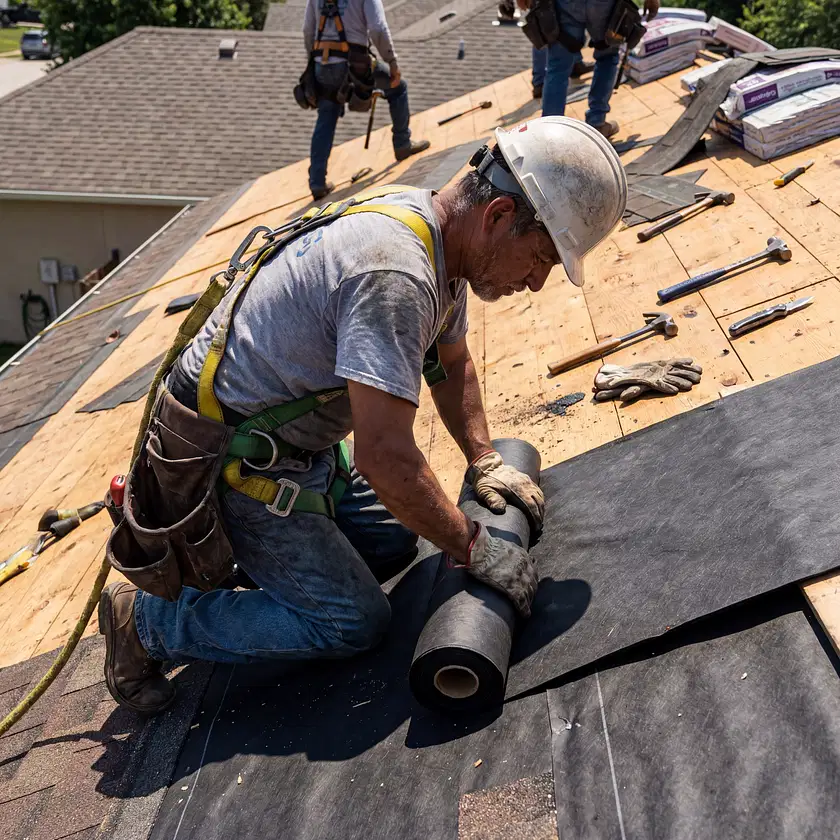
Roofing in the dead of winter is not for the faint of heart, nor is it a job for inexperienced contractors. Unpredictable weather conditions can disrupt project schedules, making efficiency and careful planning absolutely critical. When temperatures drop, asphalt shingles become stiff and brittle. If a roofer is not properly trained in cold weather shingle installation guidelines, they risk cracking or damaging the materials during application.
Furthermore, standard asphalt shingles rely on the heat of the sun to activate their adhesive sealant strips, which bonds them together and provides crucial wind resistance. During the colder months, the sun's radiant heat is often insufficient to trigger this thermal sealing process naturally. This means your roofing team must employ alternative methods to ensure the roof is secure and fully waterproofed against driving snow and ice.
Another significant challenge is workplace safety. Frost, ice, and light snow can turn a standard roof pitch into a hazardous environment. Meeting strict OSHA fall-protection standards becomes even more critical. This is why it is essential to hire a legitimate, established local contractor who employs highly skilled field labor, rather than relying on out-of-state storm chasers who might not be familiar with the unique climate challenges of the region.
Proven Best Practices for Freezing Temperatures
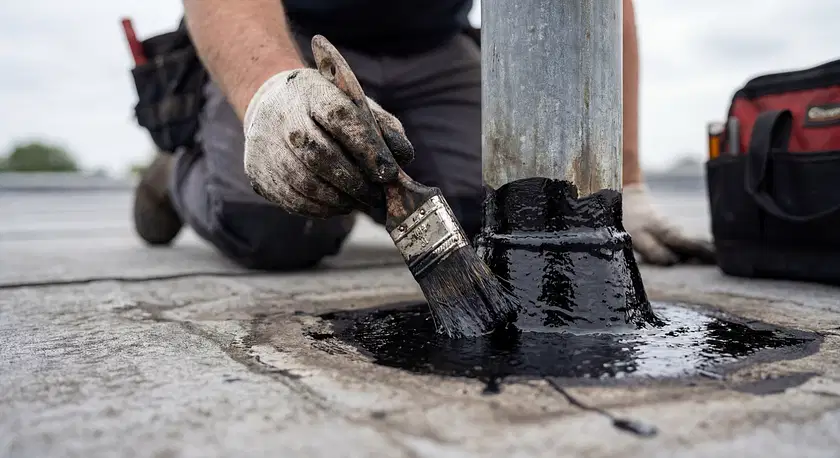
To overcome these winter hurdles, experienced roofing companies follow a strict set of procedures. One of the most important techniques is hand sealing shingles in cold weather. Instead of waiting for the sun to activate the factory adhesive, roofers will manually apply specialized roofing cement to the underside of each shingle. This guarantees an immediate, secure bond that can withstand the severe winter storms common around the Point of the Mountain and throughout Utah Valley.
Proper material storage is another crucial best practice. Shingles should be kept in a warm, dry environment until the absolute last minute before installation. By keeping the materials warm, they remain flexible and are much less likely to crack when cut or nailed.
Nailing techniques must also be adjusted. Installers have to ensure their pneumatic nail guns are calibrated correctly for cold weather, as the pressure dynamics can change in freezing temperatures. Nailing too hard can drive the fastener straight through a cold, brittle shingle, compromising the roof's integrity and voiding warranties.
Finally, ventilation cannot be overlooked. A well-ventilated attic prevents the formation of ice dams, which are a major concern during our local winters. Proper airflow ensures that the roof deck remains cold, preventing snow from melting, running down to the eaves, and refreezing. A quality contractor will always assess your attic ventilation as part of a comprehensive winter roof installation.
Navigating New Construction and Project Timelines
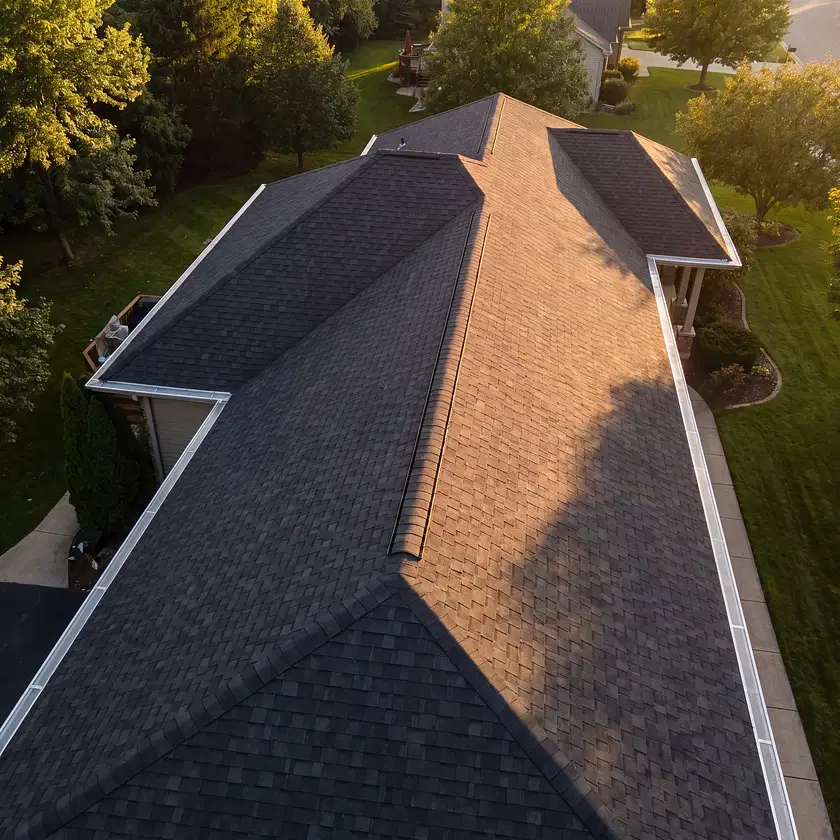
Winter does not just affect emergency replacements; it also impacts custom home building. If you are in the middle of a build, keeping the project on schedule is likely your top priority. Professional new residential construction roofing requires tight coordination with other trades to ensure the building envelope is sealed and protected from the elements as quickly as possible.
Many consumers wonder how long a standard roof replacement or new installation takes when the weather turns cold. While winter projects can occasionally face weather-related delays, modern technology has vastly improved the process. The adoption of digital estimation tools, AI-powered measurement software, and drone inspections allows us to provide incredibly accurate quotes and project timelines without unnecessary delays. We can assess your property quickly, order the exact right amount of materials, and get our skilled crews to work the moment a clear weather window opens.
Cost is always a factor, and homeowners frequently ask how much a new roof replacement costs on average. While winter installations might require slightly more labor time due to hand sealing and safety precautions, investing in a high-quality installation protects your home from far more expensive structural and water damage down the road. Upfront, clear pricing estimates and strong warranty terms are essential so you know exactly what you are paying for and how your investment is protected.
Choose Trusted Local Expertise
Don't let the fear of freezing temperatures leave your home vulnerable to the elements. Whether you need an immediate replacement due to storm damage or are finalizing a new build, Red Peaks Roofing Inc has the local expertise, skilled workforce, and commitment to quality workmanship needed to get the job done right in any season.
If you have concerns about your roof's condition this winter or want to discuss your options with a trusted Saratoga Springs contractor, we are here to help. Reach out to our team today to schedule an inspection or request a quote through our contact us page, and experience the peace of mind that comes with a beautifully installed, weather-resistant roof.