Your Guide to Preventing Ice Dams and Attic Condensation in Utah
Utah winters are famous for a reason. The sight of the Wasatch Front covered in fresh powder is something we all appreciate. But while that heavy snowfall is great for ski season, it can create hidden dangers for your home's roof. Two of the most common and destructive issues homeowners face are ice dams and attic condensation. These problems can lead to costly water damage, mold growth, and compromised structural integrity. Fortunately, they are almost always preventable.
As a trusted local roofing expert serving the Salt Lake City area, we've seen the damage these winter woes can cause. This guide will walk you through what causes ice dams and attic condensation, how to spot the warning signs, and the long-term solutions that will protect your home for years to come.
What Are Ice Dams and Why Do They Form Here?
An ice dam is a ridge of ice that forms at the edge of a roof, preventing melting snow (water) from draining off. That water backs up behind the dam and can work its way under your shingles and into your home.
But how does it form in the first place? It’s a three-step process fueled by our unique climate:
- Heat Escapes: An improperly insulated or poorly ventilated attic allows heat from your living space to escape and warm the underside of your roof deck.
- Snow Melts: This heat melts the layer of snow on your roof from the bottom up, even when the outside temperature is below freezing. We get plenty of
Lake Effect Snow, which provides the perfect heavy, insulating blanket for this process to occur. - Water Refreezes: The meltwater runs down the roof surface until it reaches the cold eaves and gutters, which are not warmed by the attic heat. Here, it refreezes, creating a small dam. As the cycle continues, this dam grows larger and larger, trapping more water behind it.
The result isn't just a row of impressive icicles. The trapped water can cause serious damage to your roof, gutters, insulation, and even the interior walls and ceilings of your home. This directly impacts the durability and safety of your property, which we know are top priorities for homeowners.
The Hidden Problem: Attic Condensation
Ice dams are often the most visible symptom of a bigger problem, and they frequently have a silent partner: attic condensation. The same conditions that create ice dams—a warm attic and a cold roof—also create the perfect environment for condensation.
Our high desert climate, with its significant temperature swings, makes this even more common. Here’s how it happens: Warm, moist air from daily activities like cooking, showering, and laundry rises into your attic. When this humid air hits the cold surface of the roof sheathing, the moisture condenses into water droplets, much like a cold glass of water on a summer day.
Over time, this constant moisture can lead to:
- Reduced Insulation Effectiveness: Wet insulation becomes compressed and loses its R-value, making your home less energy-efficient.
- Mold and Mildew Growth: A damp, dark attic is an ideal breeding ground for mold, which can impact your home's air quality.
- Wood Rot: The roof deck, trusses, and joists can begin to rot, compromising the structural integrity of your roof system.
Essentially, your attic starts to 'rain' from the inside, causing damage that often goes unnoticed until it becomes severe.
The Permanent Fix: A Balanced System of Insulation and Ventilation
Many people think the solution is to add more heat to the roof or aggressively remove snow. In reality, the best and most permanent solution is to keep your attic cold—as close to the outside temperature as possible. This is achieved through a balanced system of proper insulation and ventilation.
1. Insulation: The primary role of insulation is to keep the heat from your home in your home, not to warm the attic. By properly air-sealing and insulating your attic floor, you create a thermal barrier that prevents heat from escaping into the attic space. This is the first and most critical step in preventing snow from melting on your roof.
2. Ventilation: Even with great insulation, some heat and moisture will find their way into the attic. This is where ventilation comes in. A well-designed ventilation system continuously circulates outdoor air through the attic, flushing out any warm, moist air before it can cause problems. This typically involves:
- Soffit Vents (Intake): Located under the eaves, these vents draw in cool, dry air.
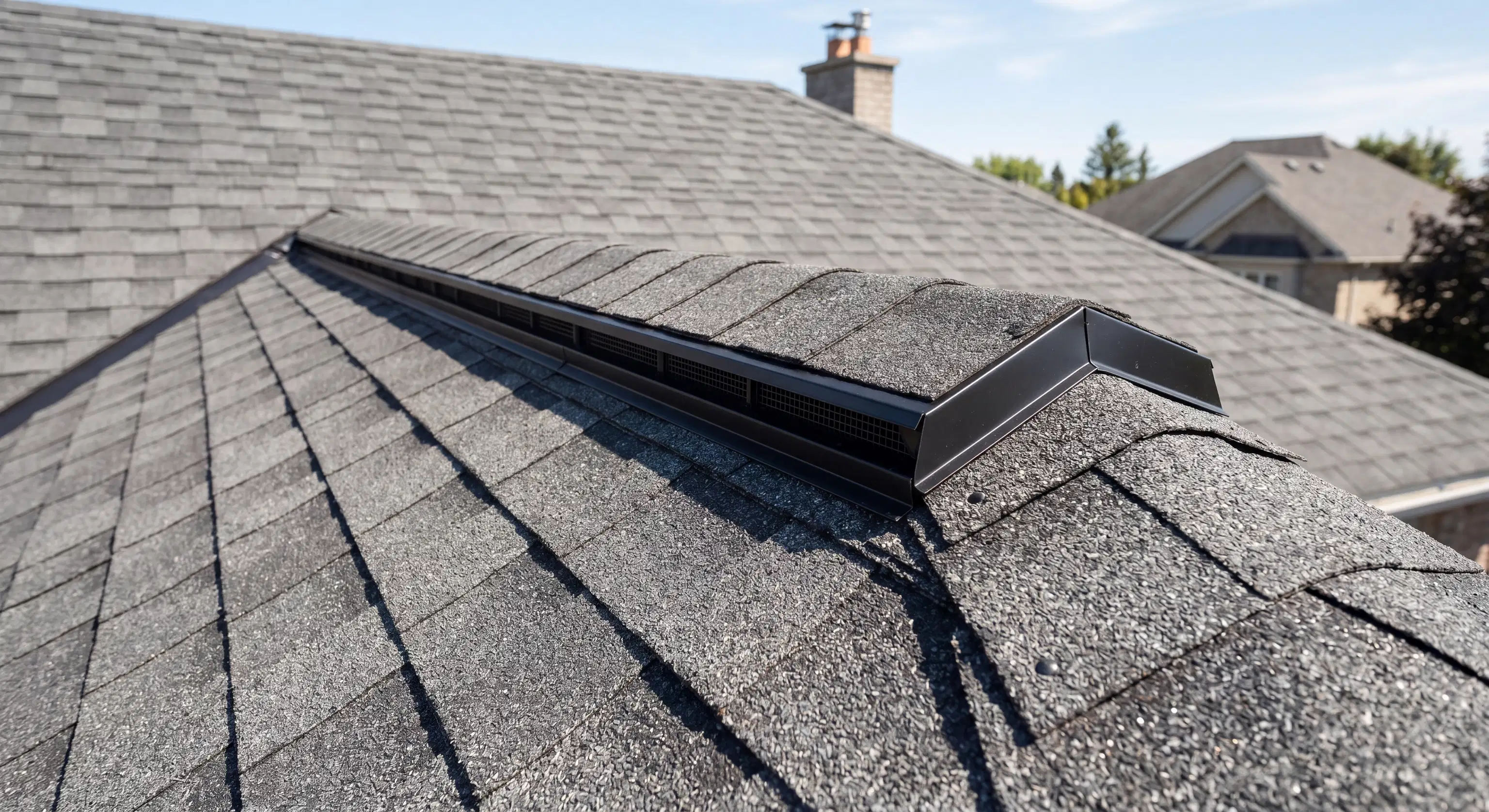
- Ridge Vents (Exhaust): Located at the peak of the roof, these vents allow warm, moist air to escape.
This constant airflow keeps the roof deck cold and the attic dry, eliminating the conditions needed for both ice dams and condensation to form. At Red Peaks Roofing, we specialize in designing and installing effective attic venting solutions tailored to Utah's specific climate challenges.
Warning Signs and Your Course of Action
How can you tell if your home is at risk? Be on the lookout for these common signs during the winter months:
- Thick ridges of ice along your eaves.
- An excessive number of icicles forming on the edge of your roof and gutters.
- Water stains appearing on your interior ceilings, especially near exterior walls.
- Damp or frosty spots on the underside of your roof sheathing when you look inside your attic.
If you see these signs, it's important to act. While it may be tempting to knock the ice off yourself, this can damage your shingles and gutters and is extremely dangerous. The safest immediate step is to hire a professional for ice dam removal. Our teams use specialized steaming equipment that safely melts the ice without harming your roof.
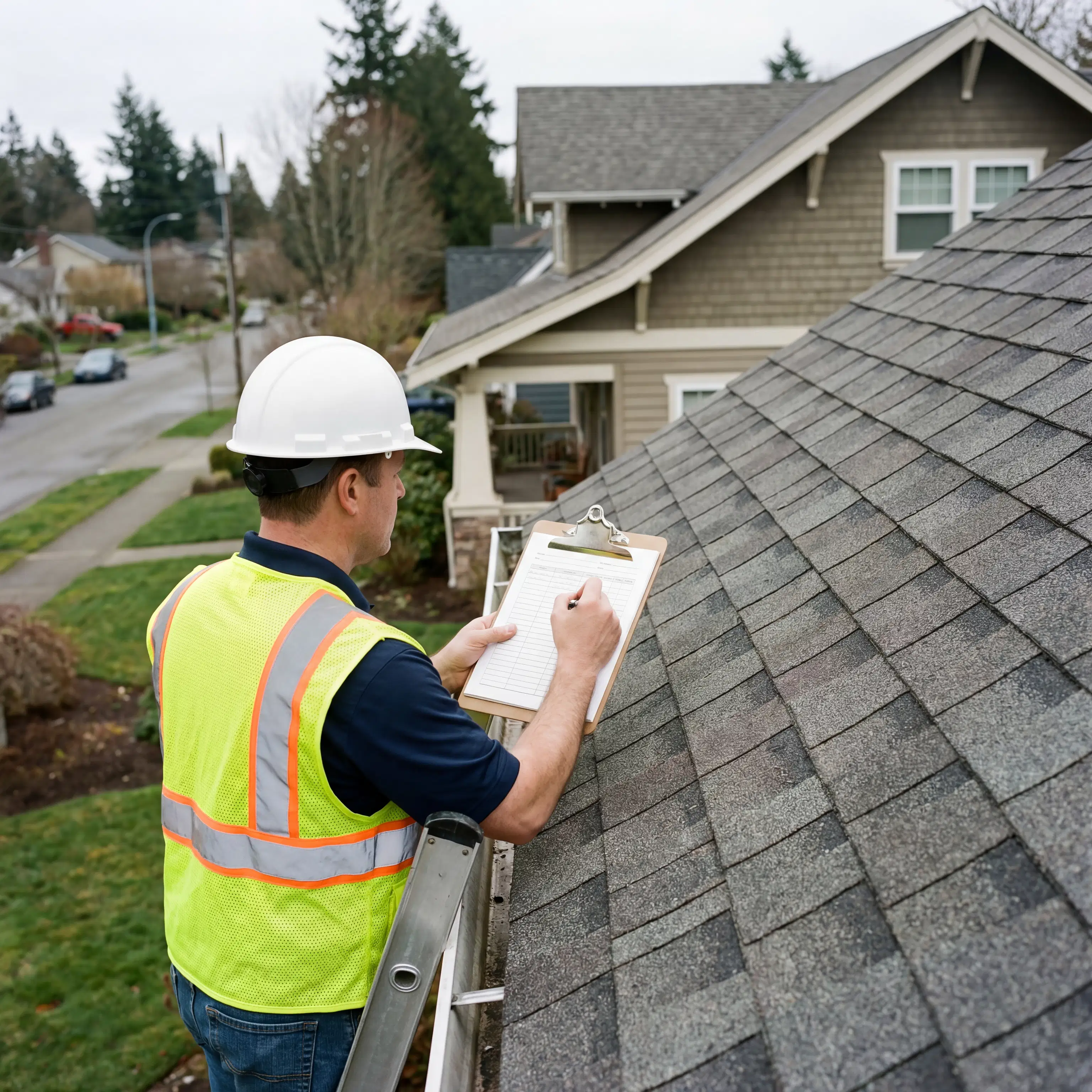
However, remember that removal is just a temporary fix. The underlying problem still exists. The best long-term strategy is to schedule a professional residential roof inspection. An expert can perform a thorough leak detection and diagnosis, assess your attic's insulation and ventilation, and provide a clear plan to permanently solve the issue.
Protect Your Home This Winter
A beautiful, snow-covered roof should be a source of joy, not anxiety. By understanding the relationship between insulation, ventilation, and our local climate, you can prevent ice dams and attic condensation before they start. Creating a balanced, cold-roof system is the key to protecting your home's value and ensuring your peace of mind throughout the winter.
Don't wait for water stains to appear. If you've seen the warning signs or want to proactively protect your home, contact the experts at Red Peaks Roofing Inc. We provide comprehensive inspections and effective attic venting solutions to keep your home safe and dry in Salt Lake City and across the Wasatch Front. Get in touch with us today for a free consultation.